
Silicon Diversity
The IT industry has moved through many periods of standardisation and diversification of core silicon products, namely processors. In the 1970s and 1980s, IBM dominated commercial computing with a series of mainframe architectures that started with System/360. Due to many factors, including cost and anti-trust investigations, the mainframe ubiquity declined during the 1990s, which also saw the rise of Unix-based systems and hardware architectures such as Sun SPARC (with Solaris), HP-UX (PA-RISC and Itanium) and even IBM's AIX based on POWER processors.
In the early 2000s, the market consolidated again, as the Intel x86 architecture transformed from a personal computer solution into a business platform. Arguably, Intel x86 (and the 64-bit variant, pioneered by AMD) gained success due to three factors. The first was Microsoft NT which was released as a server platform in 1993. The second was Linux, an open-source Unix-like operating system, first released in 1991. The third was VMware, founded in 1998.
Throughout the 2000s and 2010s, Intel dominated the enterprise server market, as pretty much all of the competition fell away. Linux distributions that started from hobbyist and non-commercial sources have evolved into commercial platforms such as Red Hat Enterprise Linux (now owned by IBM), Ubuntu (from Canonical) and SUSE. Intel's success is undoubtedly due to co-operation with VMware (for example, adding virtualisation instructions into the x86-64 instruction set), the move to multi-core processors as a way to address Moore's Law limitations, while gaining consolidation benefits with VMware to address single threaded and other O/S complications within Windows Server.
Over the 46 years since x86 was first introduced, the ISA (instruction set architecture) has become increasingly more complex and power hungry. The alternative to CISC (complex instruction set computer) such as x86 is RISC (reduced instruction set computer), a concept developed by IBM. RISC uses a smaller set of instructions (but longer code length) with the rationale that overall, the system runs more efficiently (and typically with lower power). RISC designs have been moderately successful, but have seen the greatest adoption in mobile devices. Arm (a contraction of Advanced Risk Machines) has been the leading designer of low power processors using a RISC architecture, capturing the mobile/smartphone and much of the tablet market.
As we move into the cloud era, it becomes apparent, mainly due to the sheer scale of platforms such as Amazon Web Services and Microsoft Azure, that any efficiency gain in infrastructure can translate to a massive saving in costs. On the desktop, Arm-based devices offer much longer battery life than x86-based machines. Arm has started to make inroads into the data centre, with Neoverse designs that enable hyper-scalers to customise their platforms to meet customer requirements. We are also now starting to see the open RISC-V architecture being developed as an alternative solution.
Finally, we should discuss the trend for disaggregation. In the days of the mainframe, the CPU handled code execution for applications, with networking and storage I/O offloaded to separate dedicated subsystems. That approach became more diluted in the early Unix and Windows age, with network interface cards (NICs) and storage adapters mostly performing protocol translation and physical attachment.
Over the last half decade we have seen the rise of more intelligent offload cards in the form of SmartNICs. These hardware components provide more efficient and federated management of security and data flows. In addition, AI has driven the demand for GPUs, which in turn, are changing the architectural design of computing systems.
In summary, modern IT is seeing a transformational change towards much greater silicon diversity, with the use of alternative instruction set architectures, SmartNICs and GPUs. Many of these solutions are now built from individual discrete components that further disaggregate the market. The topic of Silicon Diversity is one we expect to be a major theme of the next decade of computing.
Posts Covering Silicon Diversity

Analysis: Arm Holdings PLC announces Q1 FY2026 financial results
Chris Evans

Analysis: AMD, Inc. announces Q1 FY2025 financial results
Chris Evans

Analysis: Arm Holdings PLC announces Q4 FY2025 and Full Year financial results
Chris Evans

Analysis: Arm Holdings PLC announces Q3 FY2025 financial results
Chris Evans

Analysis: Arm Holdings PLC announces Q2 FY2025 financial results
Chris Evans
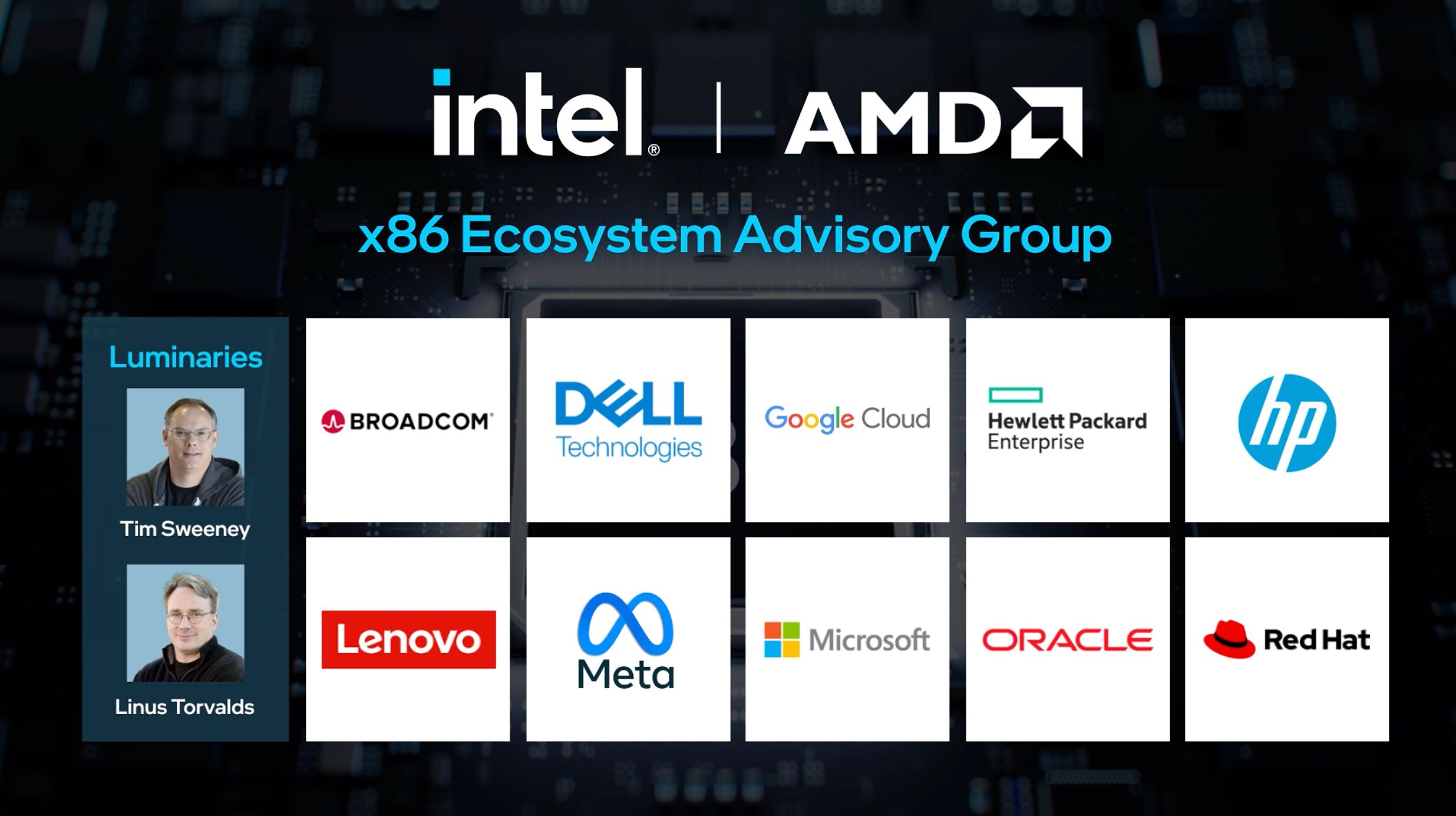
Analysis: Intel paranoia gives birth to the x86 Ecosystem Advisory Group
Chris Evans

Analysis: AMD, Inc. announces Q2 FY2024 financial results
Chris Evans

Analysis: Arm Holdings PLC announces Q1 FY2025 Results
Chris Evans

Analysis: Intel Corporation Announces Q2 FY2024 Financial Results
Chris Evans
Vendors Tracked


