

Veeam has acquired the Cirrus backup-as-a-service solution from Australian consultancy firm CT4. The technology will form the first part of a BaaS offering that will be enhanced in 2024. Is this a strategic or tactical move on Veeam’s behalf?
Background
Cirrus is a backup-as-a-service (BaaS) solution developed by CT4 PTY Ltd in Australia, formerly known as Canopy Tools. From what we can ascertain, Canopy Tools developed a software platform that delivers BaaS based on Veeam Software. Cirrus was sold to resellers that used the software to provide their own BaaS solution. In December 2021, CT4 indicated that Cirrus had brought in around $6.7 million in revenue and was forecast to overtake CT4’s other software solutions.
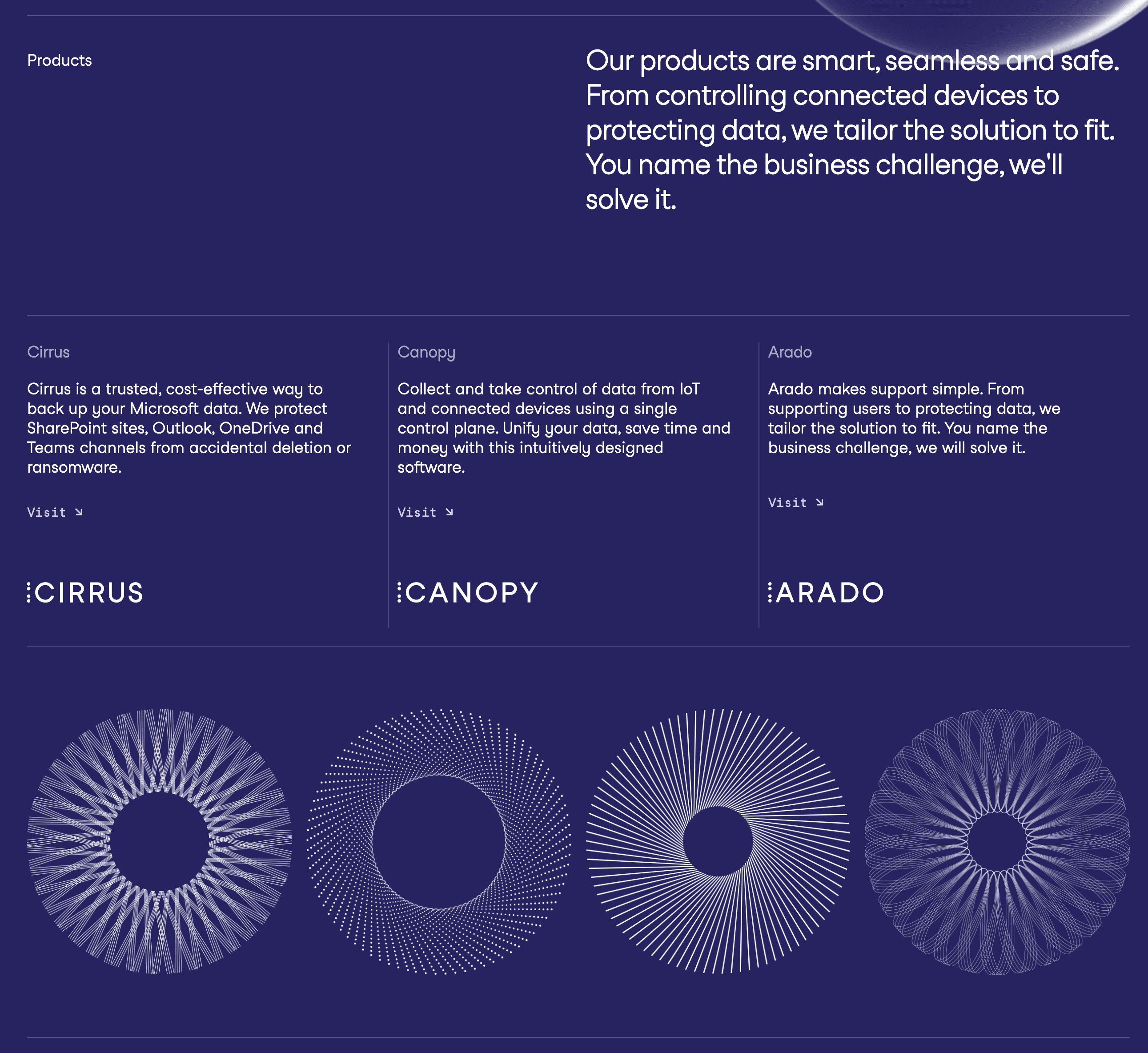
We’ve checked out CT4’s website, which now shows only a single product called Arado. A little bit of work with the Wayback Machine shows that earlier this year, CT4 had three products – Cirrus, the backup solution; Canopy, an IoT platform; and Arado. Only Arado appears to be left, with no apparent exit for the Canopy solution.
Canopy
Canopy Tools (now CT4) developed Cirrus in 2020 based on existing Veeam technology. The two companies (CT and Veeam) didn’t form an official partnership until February 2023.
Veeam hasn’t acquired CT4 but simply purchased the Cirrus platform. Looking back at the history of CT4, we believe the company may be in the process of rebranding as a consultancy company rather than a products company, so the sale of Cirrus to Veeam is a natural fit.
BaaS
As we highlighted only a few weeks ago, Veeam had no BaaS offering for customers and invested in Alcion, a start-up run by a team that sold Kasten to Veeam a few years ago. So, does this make the new Cirrus service a stopgap prior to the “significant enhancements” coming in Q1 2024, or is Veeam betting on two horses with Cirrus and Alcion to see which comes out the winner?
The Architect’s View®
Venture Capitalists and businesses bet on multiple solutions all the time. It isn’t always obvious what companies will win out in new and complex markets. Having a stake in each start-up can hedge against being a loser and gaining nothing.
However, Cirrus is not a new platform but just Veeam’s existing software packaged as a SaaS offering. The Cirrus technology doesn’t address the tens of thousands of SaaS applications in the marketplace but only provides data protection for Microsoft 365 and Azure using software already in the market today.
As a result, we see Cirrus as a stopgap technology while Veeam executes a broader strategy for SaaS data protection. This leaves us two points to consider. First, will Alcion be a future SaaS offering from Veeam once the technology has evolved to a level that enables it to support many SaaS platforms? Second, what happens to the data from the older backup systems once any new offering is in place?
This second question is perhaps the most important. In data protection, vendors rarely, if ever, bring forward old backups into new platforms. Instead, the older systems are mothballed with either some capability to restore or the plan to use a third-party service provider to restore data from media, if required.
If Veeam chops and changes solutions, can the company guarantee that historical data from 6 months, a year, or two years previously can easily be restored, if required? This question might be easier to answer for on-premises software, but what about backups in a SaaS platform that changes radically?
There’s no doubt that Veeam wants to fill the BaaS gap in its portfolio as quickly as possible. But from the customer perspective, think about where your backup data will reside and how easy it will be to access historical backups from any solution (not just Veeam) that changes direction on a regular basis.
Data protection is all about the ability to restore, so if that’s compromised, then the backups are effectively useless.
Copyright (c) 2007-2023 – Post #5cc1 – Brookend Ltd, first published on https://www.architecting.it/blog, do not reproduce without permission.